Human trafficking is a global crisis affecting over 27 million people each year, forcing individuals into exploitation through labor, sexual abuse, and modern slavery. It generates an estimated $150 billion annually, making it one of the most lucrative criminal enterprises worldwide. In the UK, thousands of victims are identified each year, with cases spanning forced labor, domestic servitude, and sexual exploitation. Raising awareness of this hidden crime is crucial to protecting vulnerable individuals and bringing perpetrators to justice.
Global Statistics
- Over 27.6 million people are trafficked worldwide each year.
- Human trafficking generates an estimated $150 billion annually.
UK Statistics
Referrals
- 2022: 7,936 referrals to the National Referral Mechanism (NRM) for potential victims of human trafficking.
- 2023: 8,377 referrals to the NRM.
- The majority of referrals are made in the first quarter of the year.
Victims
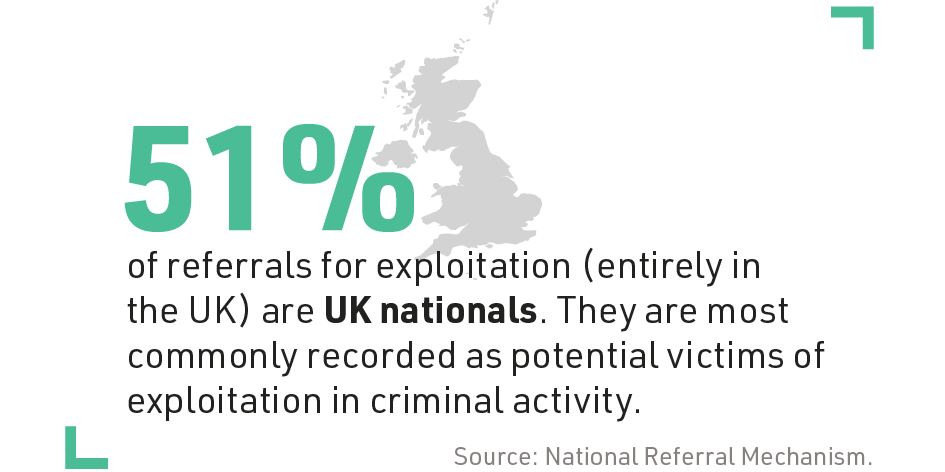
- UK nationals are the most commonly identified victims.
- Other commonly identified nationalities are Albanian, Vietnamese, Indian, and Romanian.
- Many victims are trafficked from eastern Europe, southeast Asia, and Africa.
- Children often face sexual slavery and other forms of exploitation.
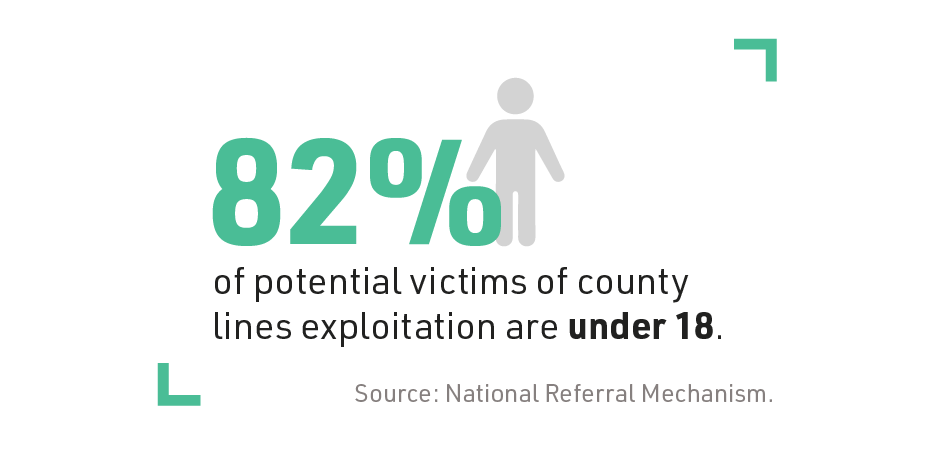
- 82% of potential victims of county lines exploitation are under 18.
Prosecutions
- In 2022, Crown Prosecution Service (CPS) prosecuted 405 defendants on trafficking charges.
- Courts convicted 282 traffickers.
Types of Exploitation
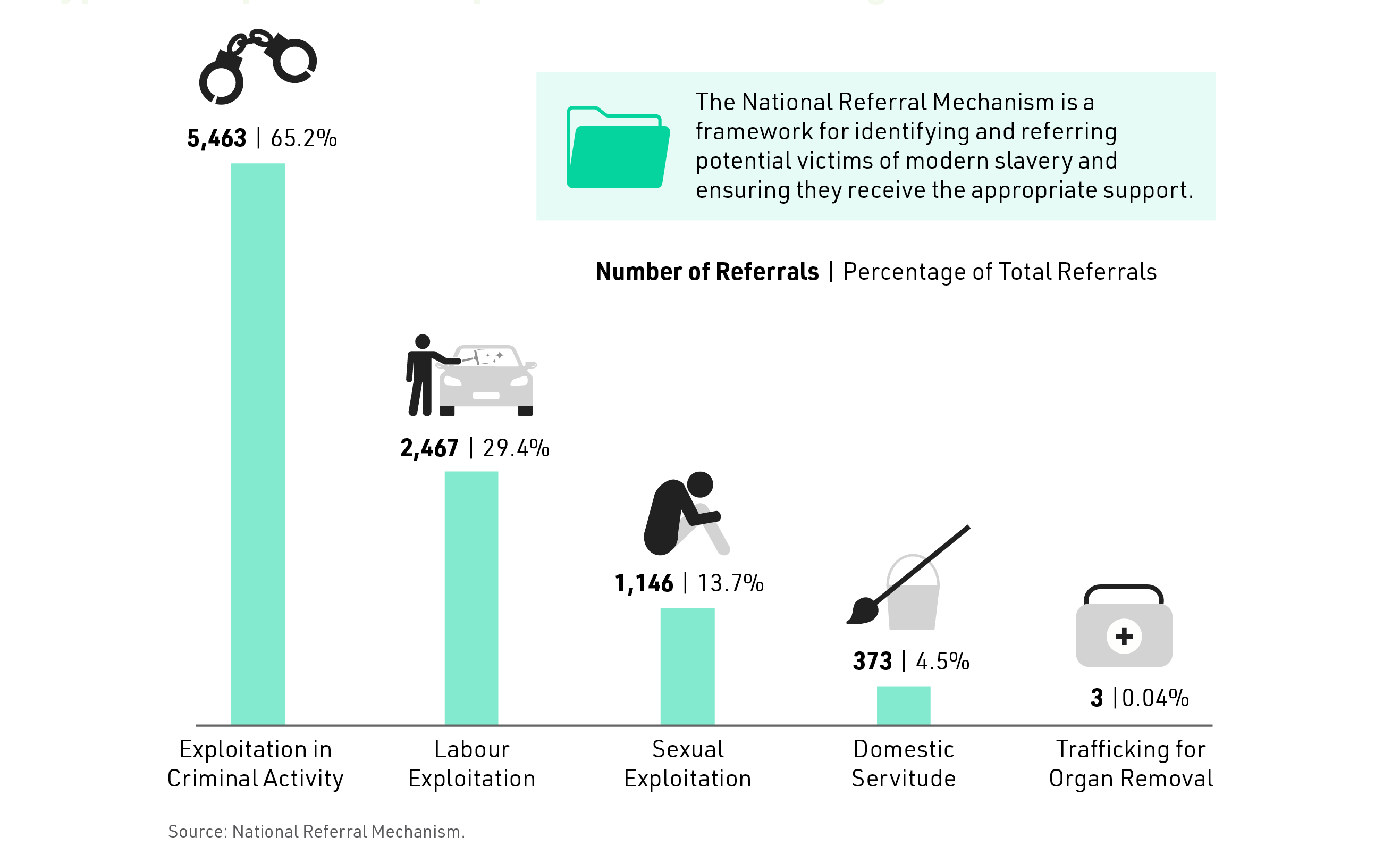
- 65.2% involved exploitation in criminal activity.
- 29.4% involved labor exploitation.
- 13.7% involved sexual exploitation.
- 4.5% involved domestic servitude.
- 0.04% involved trafficking for organ removal.
Signs of Human Trafficking
Modern slavery and exploitation can often occur in plain sight, and the signs may be visible to the public, employers, or community members. Victims can be of any gender, age, or nationality, and it’s crucial to remain vigilant. Below are some common indicators to watch for:
- A victim’s appearance may suggest physical or psychological abuse; they may appear malnourished, withdrawn, or consistently wear the same clothes.
- Victims may live in overcrowded or unsanitary accommodation, or they may be transported to work in vehicles controlled by offenders.
- Personal documents, such as passports or bank cards, may be held by perpetrators, leaving victims with few personal possessions or control over their finances.
- Victims may seem isolated, avoiding eye contact, or showing signs of fear or mistrust, particularly of law enforcement or other authorities.
- They may work excessively long hours without adequate breaks, appear to be under constant surveillance, or seem unsure about their location.
- Children or young people may not attend school or social events, and adults may have inconsistent or implausible stories about their situation.
- Victims may show signs of dependency on someone who appears controlling, or they may lack freedom of movement or the ability to leave their circumstances.
If you suspect someone may be a victim of modern slavery or exploitation, it is important to take action. You can report your concerns to the local police by calling 101 for non-urgent situations or 999 if there is an immediate risk of harm or danger. Alternatively, you can contact the Modern Slavery & Exploitation Helpline, a confidential service that provides advice and support. If you prefer to remain anonymous, you can report your concerns to the independent charity Crimestoppers.
Take Action
Human trafficking thrives in secrecy, but we all have a role to play in bringing it to light. By recognizing the signs and reporting suspicious activity, you can help protect victims and disrupt trafficking networks. If you suspect trafficking, don’t hesitate to act and contact local police, helplines, or organizations.To learn more and discover how you can make a difference, visit our Take Action page. Together, we can work towards ending human trafficking.